
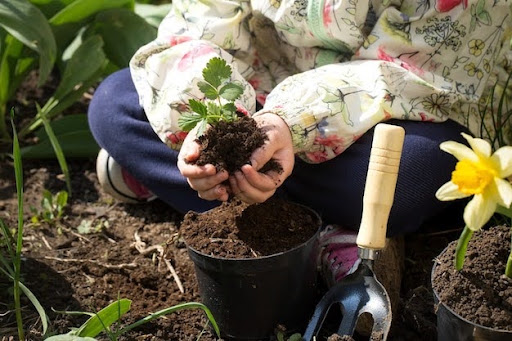
Selecting the right approach for a memorial garden or commemorative planting is a deeply personal decision, and choosing an appropriate soil cremation mixture plays a central role in how well the tribute succeeds over time. With various formulations, ratios, and additives available, understanding what makes a mixture effective can help families create a meaningful, thriving memorial rather than one that struggles against poor soil conditions.
1. Understand the Base Composition
Every soil cremation mixture starts with a foundation of quality organic material, typically compost, topsoil, or a blend of both. This base is essential because cremated remains alone lack the organic matter, nutrients, and beneficial microorganisms that plants need to grow.
When evaluating options, look for a mixture that emphasizes rich, well-aerated organic content rather than one that simply combines remains with plain dirt.
2. Check the pH-Balancing Ingredients
Since cremated remains are naturally alkaline, a well-designed mixture must include ingredients that counteract this effect. Peat moss, sulfur-based amendments, or acidic compost are commonly used to bring pH levels back into a range suitable for plant growth.
Before committing to any soil cremation mixture, ask about its pH-balancing components, as this single factor often determines whether nearby plants flourish or fail.
3. Match the Mixture to Your Chosen Plants
Different plants have different soil preferences, so the right mixture depends heavily on what you intend to grow. Hardy shrubs, native grasses, and certain trees tend to tolerate mineral-rich soil better than delicate flowering annuals.
Take time to research plant compatibility before finalizing your mixture, since choosing the wrong combination can lead to disappointing results even with a properly balanced formula.
4. Consider Dilution Ratios Carefully
One of the most critical aspects of choosing a soil cremation mixture is understanding proper dilution. Using too concentrated a mixture can burn roots or create long-term soil toxicity, while overly diluted mixtures may not provide the intended symbolic connection.
Many providers offer pre-tested ratios designed specifically to balance safety with meaningful inclusion of remains.
5. Evaluate Environmental and Location Factors
The location where you plan to use the mixture, whether a garden bed, large planter, or space around a memorial tree, affects which formulation works best.
Drainage quality, sunlight exposure, and existing soil conditions should all factor into your decision, since a mixture that works well in one setting may not perform the same way in another.
6. Look for Guidance and Support
Many companies specializing in memorial products offer consultation services to help families select the right formulation for their specific needs.
Taking advantage of this guidance can prevent common mistakes and ensure the final result honors your loved one while supporting healthy, sustainable plant growth for years to come.
Final Thoughts
Choosing the right formulation involves more than a single decision, it requires understanding composition, pH balance, plant compatibility, and long-term care. With thoughtful planning, families can create a lasting, living tribute that honors memory while nurturing new growth. Taking the time to research and consult with knowledgeable providers ultimately transforms this process from a simple task into a meaningful act of remembrance.