
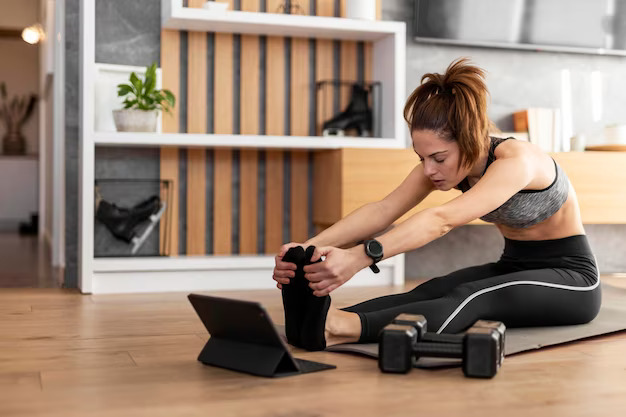
Building a strong fitness routine at home has become increasingly popular due to convenience, cost savings, and flexibility. You don’t need a full gym setup to stay fit; with the right home workout equipment, you can achieve strength, endurance, and weight management goals effectively. The key is choosing versatile, space-friendly equipment that supports a complete workout routine.
Essential Basic Equipment for Beginners
For anyone starting a home fitness journey, basic equipment is enough to build a strong foundation. These tools are affordable, compact, and suitable for full-body workouts.
Dumbbells are one of the most important pieces of equipment. They help in strength training and can be used for exercises targeting arms, shoulders, chest, and legs. Adjustable dumbbells are especially useful because they allow weight changes without requiring multiple sets.
Resistance bands are another essential tool. They are lightweight, portable, and effective for muscle activation, stretching, and strength training. They also reduce joint stress compared to heavy weights, making them ideal for beginners or rehabilitation exercises.
A yoga mat is also necessary. It provides comfort and stability for floor exercises, stretching, yoga, and core workouts. It also helps prevent slipping and reduces pressure on joints during workouts.
Jump ropes are simple but highly effective for cardio. They improve endurance, coordination, and calorie burning in a short amount of time. For beginners, even a few minutes of skipping daily can significantly improve fitness levels.
Strength Training Equipment for Muscle Building
If your goal is muscle building or toning, strength training equipment becomes essential. These tools help create resistance, which is necessary for muscle growth.
Kettlebells are highly effective for dynamic strength training. Unlike traditional dumbbells, kettlebells allow swinging movements that engage multiple muscle groups at once. They are excellent for improving both strength and cardiovascular fitness.
A pull-up bar is another powerful addition to a home gym. It primarily targets the back, shoulders, and arms. Doorway pull-up bars are easy to install and do not require permanent setup, making them ideal for home use.
Weight benches provide support for exercises like bench presses, step-ups, and incline workouts. A foldable bench is a good option for home gyms with limited space.
Medicine balls are also useful for explosive training and core strengthening. They can be used for throwing exercises, squats, and rotational movements that improve functional strength.
Cardio Equipment for Fat Loss and Endurance
Cardio training is essential for heart health, stamina, and fat loss. While outdoor running is an option, home cardio equipment provides convenience and consistency regardless of weather conditions.
A treadmill is one of the most popular home cardio machines. It allows walking, jogging, and running at adjustable speeds and inclines. It is ideal for structured cardio workouts and progressive training.
Stationary bikes are another excellent option. They provide low-impact cardio, making them suitable for people with joint issues. Cycling at home helps burn calories while improving leg strength and endurance.
Rowing machines offer full-body cardio workouts. They engage the arms, legs, back, and core simultaneously, making them one of the most efficient calorie-burning machines.
For those with limited space, compact step platforms or mini steppers can also provide effective cardio workouts. They are affordable and easy to store.
Recovery and Flexibility Tools for Better Performance
Recovery is often overlooked but is essential for long-term fitness progress. Without proper recovery, muscles become stiff, and injury risk increases. Home workout equipment for recovery helps improve flexibility and reduce soreness.
Foam rollers are widely used for muscle recovery. They help release muscle tightness and improve blood circulation. Regular foam rolling can reduce post-workout pain and improve mobility.
Massage balls are useful for targeting specific muscle knots, especially in the back, shoulders, and feet. They provide deep tissue relief and help speed up recovery.
Stretching straps are helpful for improving flexibility. They assist in deeper stretches and are especially beneficial for beginners who lack flexibility.
In addition to equipment, incorporating yoga and stretching routines improves posture, reduces stress, and enhances overall movement quality.
Choosing the Right Equipment for Your Space and Goals
Selecting home workout equipment depends on your fitness goals, available space, and budget. Not every home gym needs to be large or expensive. A smart setup focuses on versatility and functionality.
For small spaces, compact and foldable equipment is ideal. Resistance bands, adjustable dumbbells, and mats can easily fit into tight areas. Multi-functional equipment also helps reduce clutter while maximizing workout variety.
If your goal is weight loss, cardio equipment and resistance tools should be prioritized. For muscle building, strength training equipment like dumbbells, kettlebells, and benches are more important.
Beginners should start simple and gradually add equipment as their fitness level improves. Overloading a home gym at the beginning often leads to underuse of equipment.
Budget also plays a role. High-quality basic equipment is more valuable than expensive machines that are rarely used. Investing in durable, multi-purpose tools ensures long-term usability.
Ultimately, the best home workout setup is the one that fits your lifestyle and encourages consistency. Regular use of even basic equipment can deliver impressive fitness results over time.